Mesotherapy

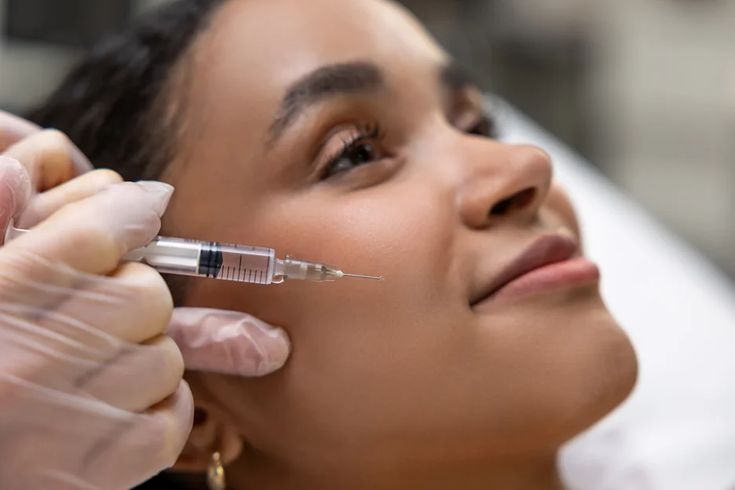
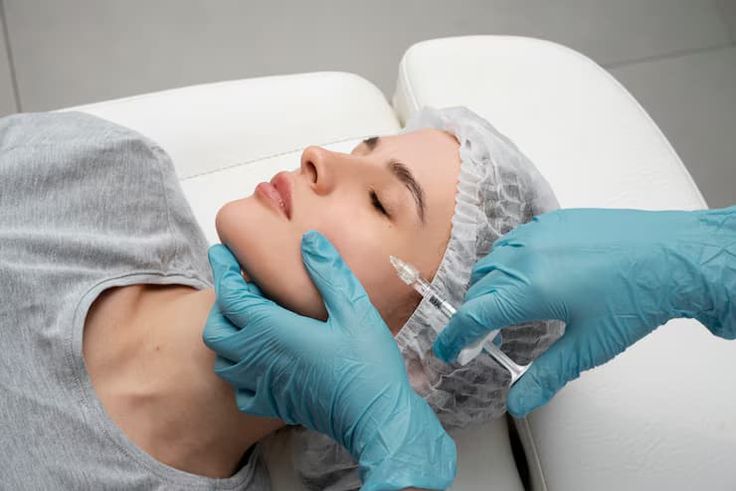
Mesotherapy is a minimally invasive cosmetic procedure that involves injecting a combination of active ingredients (such as vitamins, minerals, amino acids, enzymes, and other substances) into the mesoderm—the middle layer of the skin. The goal of mesotherapy is to treat a range of skin and body concerns by stimulating circulation, promoting collagen production, and improving the overall health and appearance of the skin.

There are different types of mesotherapy, including:

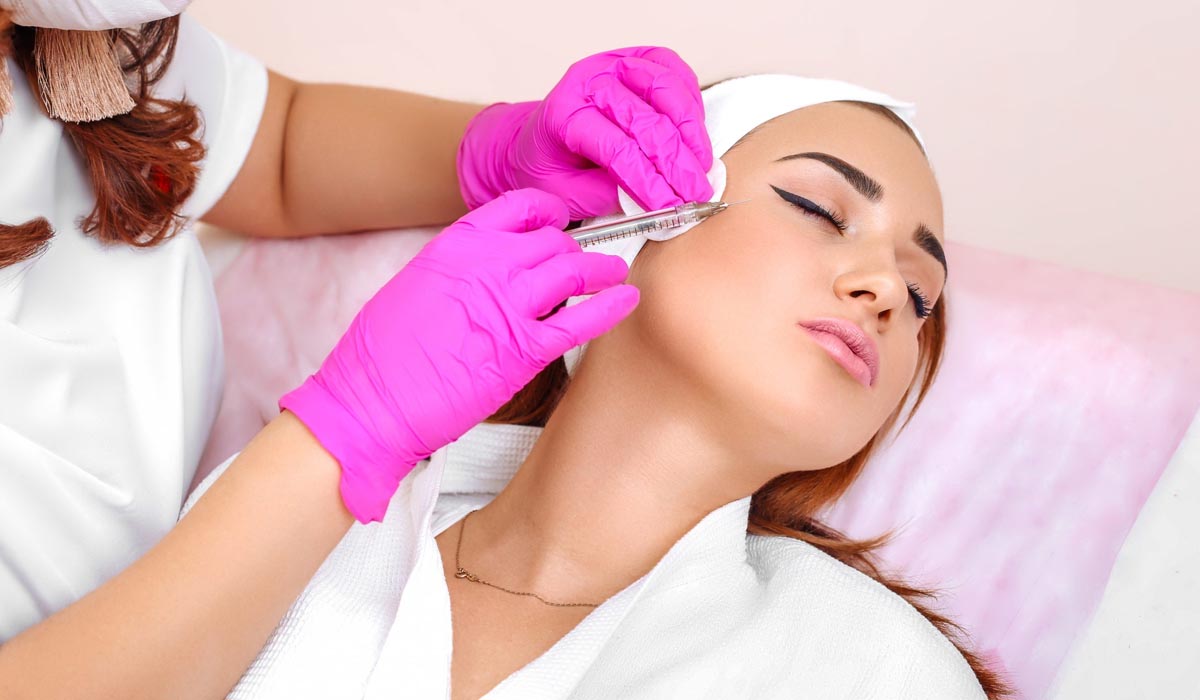
Facial mesotherapy: Primarily used to rejuvenate and hydrate the skin, reduce fine lines and wrinkles, and improve skin texture and tone.

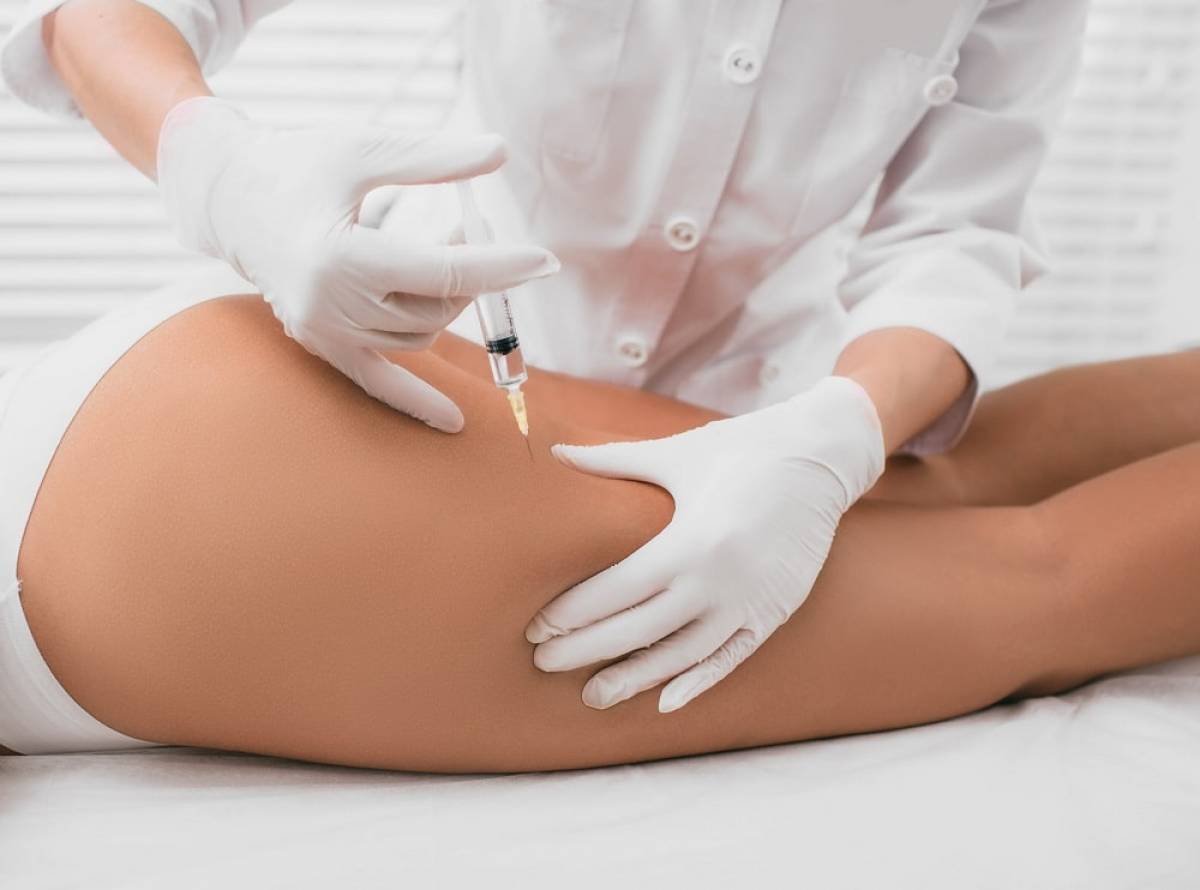
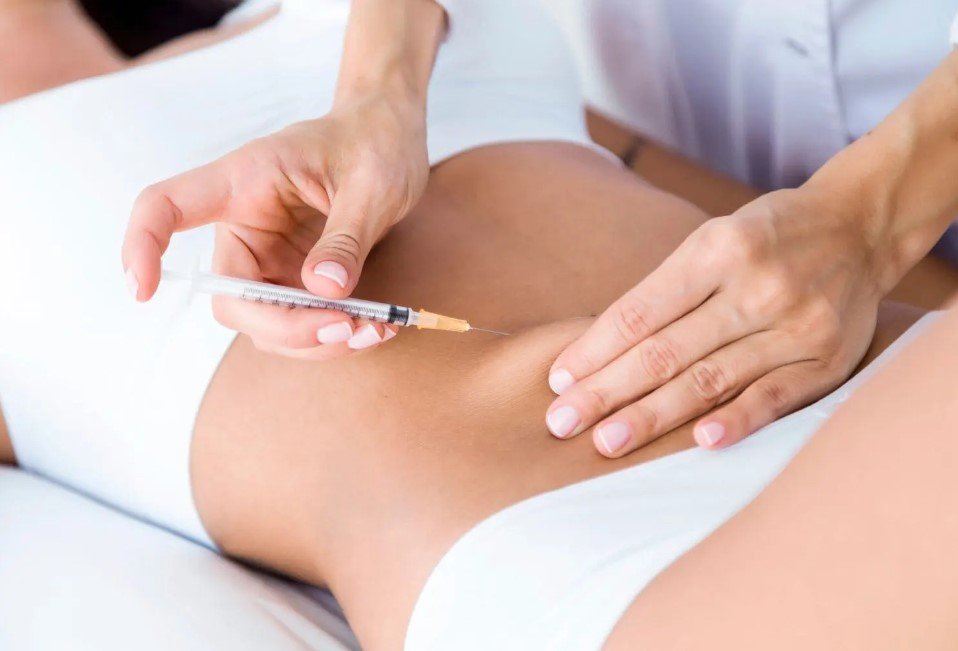
Fat loss mesotherapy: Used for body contouring and reducing localized fat deposits, such as on the abdomen, thighs, or love handles.

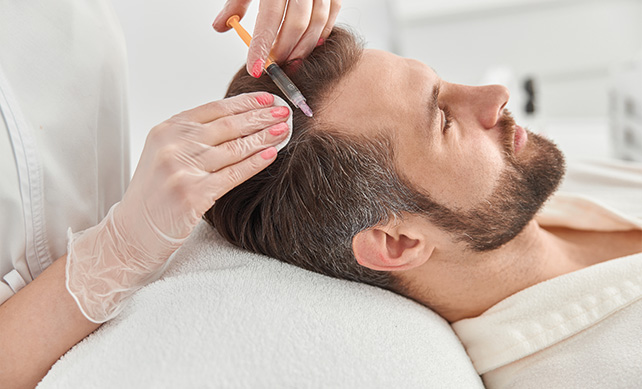
Hair restoration mesotherapy: Involves injecting hair-restorative ingredients into the scalp to stimulate hair growth and treat hair thinning or alopecia.

Mesotherapy is most commonly used in aesthetic medicine for non-surgical rejuvenation and fat reduction. The treatment is well-known for its versatility and is considered to be relatively painless with minimal downtime.

Price List

£62

Full hair

£71

Full face

£80

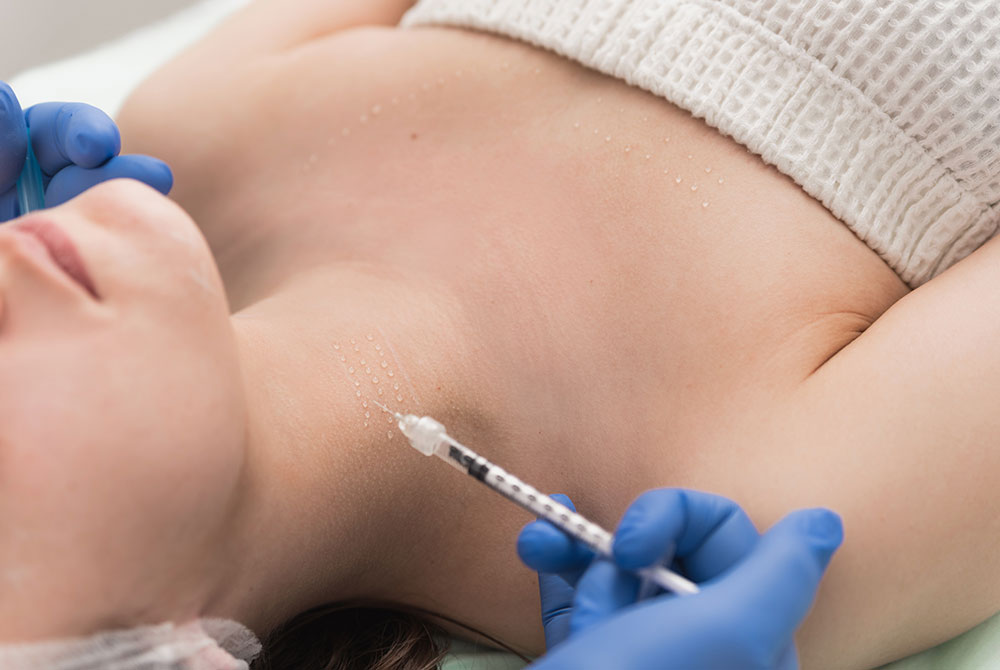
Body medium area (neck, upper-chest)

£98

Body large area (back, thighs)

£35

Additional nutrients

Indications:

Skin Rejuvenation & Anti-Aging
Fine lines and wrinkles: Mesotherapy helps to reduce fine lines and wrinkles by stimulating collagen and elastin production, which helps restore skin elasticity.
Skin hydration: Mesotherapy is effective in providing deep hydration, leaving the skin looking plumper and more radiant.
Skin tone and texture: It helps to improve overall skin texture and tone, reducing signs of dullness and uneven pigmentation.
Stretch marks: Mesotherapy can be used to reduce the appearance of stretch marks by stimulating collagen production in the affected areas.Localized fat deposits: Aqualix is ideal for patients who have stubborn fat in areas like the double chin, saddle bags, flanks (love handles), stomach (abdomen), thighs, or upper arms that are resistant to diet and exercise.
Fat Reduction & Body Contouring
Localized fat: Mesotherapy is commonly used for body contouring, targeting areas of stubborn fat that are resistant to diet and exercise (e.g., love handles, double chin, abdomen, and thighs).
Cellulite treatment: It can help improve the appearance of cellulite by increasing blood circulation and breaking down fat cells in the treated areas.
Hair Restoration
Alopecia (hair thinning): Mesotherapy for hair restoration involves injecting vitamins, minerals, and other growth-stimulating substances into the scalp to promote hair growth, improve hair density, and treat conditions like male and female pattern baldness.
Skin Pigmentation & Hyperpigmentation
Sunspots, age spots, and melasma: Mesotherapy can help lighten pigmentation spots and even out skin tone by targeting melanin production in the skin.
Dark circles under the eyes: Mesotherapy may also be used to treat dark circles by improving skin tone and stimulating collagen production in the under-eye area.

Contraindications:

Pregnancy and breastfeeding: Mesotherapy is generally not recommended during pregnancy or breastfeeding due to the lack of sufficient safety data for the ingredients used in the injections.
Active skin infections or wounds: If the skin in the treatment area is infected, broken, or inflamed, mesotherapy should not be performed until the skin has healed.
Allergic reactions: People with known allergies to any of the substances used in mesotherapy (such as vitamins, amino acids, or other ingredients) should not undergo the treatment.
Chronic skin conditions: Patients with chronic skin conditions, such as eczema, psoriasis, or rosacea, may not be suitable candidates for mesotherapy, especially if the affected areas are targeted.
Autoimmune disorders: Individuals with autoimmune disorders or conditions that affect the immune system (such as lupus or rheumatoid arthritis) should consult with a healthcare provider before undergoing mesotherapy.
Blood clotting disorders: Mesotherapy is generally not recommended for individuals with blood clotting disorders or those on blood-thinning medication, as it can increase the risk of bruising or bleeding at the injection site.

Aftercare:

Avoid touching the treated area: Refrain from touching, rubbing, or massaging the treated areas for at least 24 hours to prevent irritation or infection.
Avoid strenuous activity: Avoid vigorous exercise, sauna sessions, or any activity that may cause excessive sweating for 48 hours post-treatment to prevent irritation and to give the skin time to heal.
No direct sun exposure: It’s important to avoid sun exposure for the first 48 hours after treatment, as the skin will be more sensitive. Use a broad-spectrum sunscreen (SPF 30 or higher) when outdoors.
Cold compress: If there is swelling, redness, or mild bruising, apply a cold compress to the treated area to reduce discomfort.
Avoid hot showers or baths: For the first 24-48 hours, avoid hot showers, baths, or swimming in chlorinated pools to prevent irritation and allow the skin to heal.
No makeup for 24 hours: It’s recommended to avoid wearing makeup or applying any skincare products (except gentle moisturizers or post-procedure creams) for the first 24-48 hours after treatment.
Hydrate: Drink plenty of water to stay hydrated and help the body process and eliminate the broken-down fat cells more efficiently.

Reviews

Our clients
Scroll to Top